Insurance & Bonding Resources

Expert insights, guides, and answers to help you make informed decisions about protecting your business, vehicles, and future. Stay informed with ARX Insurance Group.

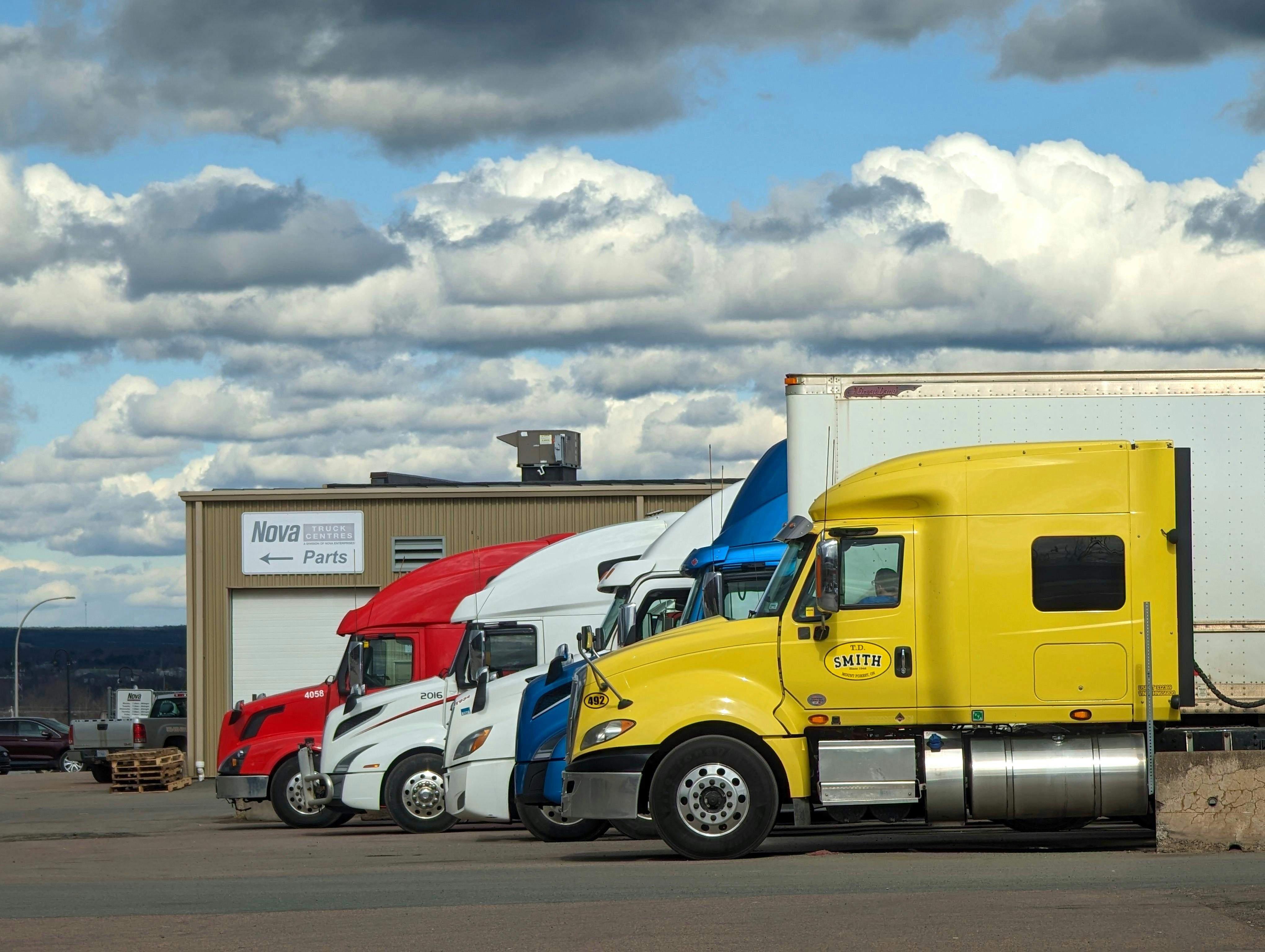
New trucking company insurance requirements

What Insurance Does a New Trucking Company Need?

Starting a trucking company requires navigating complex insurance requirements. From Primary Auto Liability to Motor Truck Cargo, discover the essential coverages you need to get your authority active and keep your trucks on the road legally and protected.

Essential Insurance Coverages for New Trucking Companies

Launching a trucking company is an exciting venture, but before you can hit the road, you need to ensure your business is properly protected. The Federal Motor Carrier Safety Administration (FMCSA) and state regulations require specific insurance coverages, and understanding these requirements is crucial for getting your operating authority approved.

Primary Auto Liability Insurance

This is the foundation of trucking insurance and is legally required for all commercial motor carriers. Primary liability coverage protects you when your truck causes bodily injury or property damage to others. The FMCSA requires minimum limits of $750,000 for most freight carriers, though many shippers and brokers require $1 million or more.

Physical Damage Coverage

While not legally required, physical damage insurance protects your truck and trailer from collision, theft, vandalism, and comprehensive losses. If you're financing your equipment, your lender will require this coverage. Even if you own your truck outright, replacing a semi-truck out of pocket could devastate a new business.

Motor Truck Cargo Insurance

This coverage protects the freight you're hauling. If cargo is damaged, stolen, or lost while in your care, this policy covers the loss. Most shippers and brokers require cargo limits of $100,000 minimum, though higher limits may be necessary depending on what you haul.

General Liability Insurance

General liability protects your business from non-driving risks like slip-and-fall accidents at your terminal, advertising injury, or damage to premises you rent. Most businesses need at least $1 million in general liability coverage.

Workers' Compensation

If you have employees (not just owner-operators), workers' compensation is typically required by state law. This covers medical expenses and lost wages if an employee is injured on the job.

Additional Coverages to Consider
  • Non-Trucking Liability (Bobtail Insurance): Covers you when driving your truck for personal use or without a load
  • Trailer Interchange: Required if you haul trailers owned by other companies
  • Rental Reimbursement: Covers rental truck costs while your vehicle is being repaired
  • Occupational Accident: Alternative to workers' comp for owner-operators and independent contractors
  • Umbrella/Excess Liability: Additional liability limits above your primary policies
Getting Started Right

As a new trucking company, you'll face higher insurance costs initially. However, working with an independent agency like ARX that specializes in trucking insurance can help you find competitive rates and ensure you have exactly the coverage you need—no more, no less. We understand the unique challenges new carriers face and can guide you through the process of getting properly protected so you can focus on growing your business.

BMC-84 freight broker bond requirements

What Is a BMC-84 Bond and How Much Does It Cost?

Every freight broker needs a BMC-84 bond to operate legally. Learn everything about the FMCSA's $75,000 surety bond requirement, including costs, application process, and how to get bonded quickly so you can start brokering loads.

Understanding the BMC-84 Freight Broker Bond

If you're starting a freight brokerage or already operating as a transportation intermediary, the BMC-84 bond is not optional—it's a federal requirement. This surety bond protects motor carriers and shippers by ensuring you fulfill your financial obligations. Here's everything you need to know.

What Is a BMC-84 Bond?

The BMC-84 is a $75,000 surety bond required by the Federal Motor Carrier Safety Administration (FMCSA) for all freight brokers and transportation intermediaries operating in the United States. This bond serves as a financial guarantee that you will pay carriers for services rendered and comply with FMCSA regulations.

Why Do You Need It?

Without a BMC-84 bond (or a trust fund alternative), you cannot legally operate as a freight broker. The bond protects:

  • Motor Carriers: Ensures they get paid for hauling your loads
  • Shippers: Provides financial recourse if you fail to fulfill contractual obligations
  • The Public: Maintains industry integrity and accountability
How Much Does a BMC-84 Bond Cost?

The bond amount is $75,000, but you don't pay that full amount upfront. Instead, you pay an annual premium based on several factors:

Premium Cost Factors:
  • Credit Score: Applicants with strong credit (700+) typically pay 1-3% of the bond amount ($750-$2,250 annually)
  • Financial Statements: Strong business finances can lower your rate
  • Industry Experience: Experienced brokers may qualify for better rates
  • Claims History: Previous bond claims can increase costs

For new brokers with limited credit or financial history, premiums typically range from 3-10% ($2,250-$7,500 annually). While this may seem high, it's a necessary investment to legally operate your brokerage.

How to Get Your BMC-84 Bond
  1. Apply: Complete a surety bond application with business details, financial information, and credit authorization
  2. Underwriting: The surety company reviews your application, credit, and financials
  3. Quote: You receive a premium quote based on your risk profile
  4. Payment: Pay your premium and sign the bond agreement
  5. Filing: The surety company files the bond with the FMCSA on your behalf
Timeline

Most BMC-84 bonds can be issued within 1-3 business days once all documentation is submitted. Expedited same-day service is often available for qualified applicants.

Important Considerations

Unlike insurance, surety bonds are a form of credit. If a claim is filed against your bond and the surety company pays out, you are legally obligated to reimburse them. This is why maintaining ethical business practices and paying carriers on time is crucial.

ARX Insurance Group specializes in BMC-84 bonds and understands the unique needs of freight brokers. We work with multiple surety markets to find you the best rate and can often help new brokers with less-than-perfect credit secure their bonds quickly.

General liability vs business owner policy comparison

General Liability vs. BOP: Which is Right for Your Business?

Confused about General Liability and Business Owner's Policy? Understand the key differences, what each covers, and which option provides better value and protection for your specific business needs.

General Liability vs. Business Owner's Policy: Making the Right Choice

When protecting your business, choosing the right insurance coverage is critical. Two of the most common options are General Liability insurance and a Business Owner's Policy (BOP). While they share some similarities, understanding the differences can save you money and ensure you have adequate protection.

What Is General Liability Insurance?

General Liability (GL) insurance is the foundation of business insurance. It protects your company from third-party claims involving:

  • Bodily Injury: Someone is injured on your premises or by your operations
  • Property Damage: You damage someone else's property
  • Personal and Advertising Injury: Libel, slander, copyright infringement, or false advertising claims
  • Products and Completed Operations: Damage caused by products you sell or work you've completed
What Is a Business Owner's Policy (BOP)?

A BOP bundles General Liability insurance with Commercial Property insurance into one comprehensive package. It's designed for small to medium-sized businesses and typically includes:

  • General Liability coverage
  • Commercial Property coverage (buildings, equipment, inventory)
  • Business Income/Interruption coverage
  • Optional coverages like crime, equipment breakdown, or spoilage
Key Differences
1. Coverage Scope

General Liability: Only covers third-party liability claims
BOP: Covers both liability AND your physical business property

2. Cost

General Liability: Typically $400-$1,500 annually for small businesses
BOP: Typically $500-$3,500 annually, but includes property coverage that would cost more if purchased separately

3. Who Should Get Each?

General Liability Only:

  • Home-based businesses with minimal equipment
  • Service businesses that don't own/rent commercial space
  • Businesses that lease equipment or work from client locations
  • Professionals who only need liability protection

Business Owner's Policy:

  • Businesses that own or lease commercial space
  • Companies with valuable equipment, inventory, or furniture
  • Retail stores, restaurants, or offices
  • Businesses that would suffer financially if operations were interrupted
Which Is Better Value?

In most cases, a BOP provides better value because:

  1. Bundled Discount: Purchasing liability and property together is cheaper than buying them separately
  2. Broader Protection: You're covered for both liability claims and property damage
  3. Business Income Coverage: Most BOPs include coverage for lost income if your business must close temporarily due to a covered loss
When General Liability Alone Makes Sense

General Liability-only may be sufficient if:

  • You work from home and your homeowner's policy covers your business equipment
  • You don't own or lease commercial property
  • Your business has minimal physical assets
  • You're a consultant or professional service provider working primarily at client locations
Making the Decision

The right choice depends on your specific business needs, assets, and risk tolerance. An independent insurance agent can help you evaluate your situation and determine whether a standalone General Liability policy or a comprehensive BOP is the better fit for your business.

At ARX Insurance Group, we work with multiple carriers to find the right coverage at the right price. Whether you need simple General Liability or a comprehensive BOP, we'll ensure your business is protected without paying for coverage you don't need.

Construction company insurance coverage

What Insurance Does a Construction Company Need?

Construction work involves unique risks. From General Liability and Workers' Compensation to Builder's Risk and Commercial Auto, discover the essential coverages that protect contractors, subcontractors, and construction businesses.

Essential Insurance for Construction Companies

The construction industry faces some of the highest risks of any business sector. From job site accidents to property damage, equipment theft to contractual disputes, construction companies need comprehensive insurance protection. Here's what every construction business should have.

1. General Liability Insurance

This is the foundation of construction insurance. General Liability covers:

  • Third-party bodily injury (someone gets hurt at your job site)
  • Property damage (you damage a client's property)
  • Completed operations (issues that arise after project completion)
  • Advertising injury and personal injury claims

Most general contractors need at least $1 million per occurrence, with many clients requiring $2 million or more.

2. Workers' Compensation Insurance

Construction is one of the most dangerous industries, making Workers' Comp essential. This coverage:

  • Pays medical expenses for injured employees
  • Provides wage replacement during recovery
  • Covers rehabilitation costs
  • Protects you from employee lawsuits

Workers' Comp is legally required in most states if you have employees, and premiums are based on your payroll and the risk classification of your work.

3. Commercial Auto Insurance

Construction vehicles face unique risks. Commercial Auto coverage protects:

  • Company trucks, vans, and heavy equipment on wheels
  • Liability for accidents while driving for business
  • Physical damage to your vehicles
  • Hired and non-owned auto liability
4. Builder's Risk Insurance

Also called "Course of Construction" insurance, this protects buildings and structures while they're being built or renovated. Coverage includes:

  • Fire, wind, theft, vandalism, and other perils
  • Materials and supplies on-site
  • Soft costs like architectural fees if construction is delayed

This is typically purchased by the property owner but may be required by your contract.

5. Commercial Property Insurance

Protects your business property including:

  • Office buildings and warehouses
  • Tools and equipment (when not at a job site)
  • Inventory and materials in storage
  • Business personal property
6. Equipment Floater/Inland Marine

Unlike Commercial Property, this covers tools and equipment that move between job sites:

  • Heavy machinery and equipment
  • Hand tools and power tools
  • Equipment in transit
  • Rented or leased equipment
7. Professional Liability (E&O)

If you provide design-build services, architectural work, or consulting, Professional Liability (Errors & Omissions) protects against:

  • Design errors
  • Negligence claims
  • Failure to meet professional standards
  • Missed deadlines or cost overruns
8. Umbrella/Excess Liability

Construction projects often require higher liability limits than standard policies provide. Umbrella insurance:

  • Provides additional liability coverage above your primary policies
  • Typically offers $1 million to $10 million in additional coverage
  • Covers gaps in primary coverage
9. Contractor's Pollution Liability

If your work involves environmental risks (asbestos removal, lead paint, mold remediation, etc.), this specialized coverage protects against pollution-related claims.

10. Surety Bonds

Many construction contracts require bonds:

  • Bid Bonds: Guarantee you'll enter into a contract if awarded the job
  • Performance Bonds: Ensure you'll complete the project as specified
  • Payment Bonds: Guarantee you'll pay subcontractors and suppliers
Additional Considerations
  • Subcontractor Insurance Requirements: Ensure your subs have adequate coverage and name you as additional insured
  • Contract Review: Have an insurance professional review contracts for insurance requirements before signing
  • Safety Programs: Implementing safety programs can reduce Workers' Comp premiums
Working with ARX

Construction insurance is complex, and requirements vary by project, location, and contract terms. ARX Insurance Group specializes in construction insurance and understands the unique needs of contractors, subcontractors, and construction companies of all sizes. We work with carriers who specialize in construction to find you comprehensive coverage at competitive rates.

Personal auto insurance cost factors

How Much Does Personal Auto Insurance Cost in 2026?

Wondering what affects your auto insurance premium? Learn about the key factors that determine your rate, average costs by state, and proven strategies to lower your premium without sacrificing coverage.

Understanding Personal Auto Insurance Costs in 2026

Auto insurance rates have been rising nationwide, and understanding what drives your premium can help you find ways to save. While the national average for full coverage auto insurance is approximately $1,800-$2,000 per year, your actual cost depends on numerous factors.

Key Factors That Affect Your Premium
1. Your Driving Record

Your driving history is one of the biggest factors:

  • Clean record: Lowest rates
  • Speeding ticket: Can increase rates by 20-30%
  • At-fault accident: May increase rates by 40-50% for 3-5 years
  • DUI/DWI: Can double or triple your premium
2. Age and Experience

Younger drivers pay significantly more:

  • Teen drivers (16-19): 2-3x higher than adults
  • Drivers 20-24: Still elevated rates
  • Drivers 25-65: Lowest rates (prime driving years)
  • Seniors 65+: Rates may increase slightly
3. Location

Where you live dramatically impacts your rate:

  • Urban areas: Higher rates due to more accidents, theft, and vandalism
  • Rural areas: Lower rates but longer emergency response times
  • State regulations: Some states have higher minimum requirements
  • Weather risks: Areas prone to hail, floods, or hurricanes cost more
4. Vehicle Type

Not all cars cost the same to insure:

  • Luxury vehicles: Higher repair costs = higher premiums
  • Sports cars: Higher risk = higher rates
  • Safety features: Can lower your rate
  • Theft rates: Frequently stolen vehicles cost more to insure
  • Vehicle age: Newer cars cost more; very old cars may not need full coverage
5. Credit Score

In most states, insurers use credit-based insurance scores:

  • Excellent credit (750+): Lowest rates
  • Good credit (700-749): Competitive rates
  • Fair credit (650-699): Moderate increase
  • Poor credit (below 650): Significantly higher rates
6. Coverage Limits and Deductibles

Your choices directly impact cost:

  • Higher liability limits: More protection, higher premium
  • Higher deductibles: Lower premium, more out-of-pocket if you file a claim
  • Adding comprehensive/collision: Increases cost but protects your vehicle
7. Annual Mileage

How much you drive matters:

  • Low mileage (under 7,500/year): May qualify for discounts
  • Average (7,500-15,000/year): Standard rates
  • High mileage (over 15,000/year): Higher rates due to increased risk
Average Costs by Coverage Type (2026)
  • Liability only (minimum coverage): $600-$800/year
  • Full coverage with $500 deductible: $1,800-$2,200/year
  • Full coverage with $1,000 deductible: $1,500-$1,900/year
  • Teen driver added to policy: +$1,500-$3,000/year
Ways to Lower Your Premium
  1. Raise your deductible: Going from $500 to $1,000 can save 15-30%
  2. Bundle policies: Combine auto with home/renters for 10-25% discount
  3. Maintain good credit: Pay bills on time and keep balances low
  4. Drive safely: Avoid accidents and tickets
  5. Take defensive driving courses: May qualify for discounts
  6. Install safety devices: Anti-theft devices and telematics can lower rates
  7. Review coverage annually: Drop collision/comprehensive on old cars if appropriate
  8. Shop around: Get quotes from multiple carriers every 1-2 years
  9. Ask about discounts: Good student, low mileage, paperless billing, etc.
When to Work with an Independent Agent

Independent insurance agents like ARX Insurance Group can:

  • Shop multiple carriers to find the best rate
  • Identify all available discounts
  • Help you choose appropriate coverage limits
  • Assist with claims when you need them
  • Provide personalized service and advice

While online quote tools are convenient, they often don't capture all the nuances of your situation. An independent agent takes the time to understand your needs and find the right coverage at the right price.

Contractor surety bond requirements

What Surety Bonds Does a Contractor Need?

Contractors need various bonds to bid on projects and maintain licenses. From license bonds to performance and payment bonds, understand which surety bonds your contracting business requires to operate legally and win more work.

Essential Surety Bonds for Contractors

Whether you're a general contractor, specialty contractor, or subcontractor, surety bonds are often required to operate legally and win contracts. Understanding which bonds you need can help you stay compliant and competitive in the construction industry.

License and Permit Bonds

Most states and municipalities require contractors to post a license bond before issuing a contractor's license. These bonds:

  • Guarantee you'll comply with local laws and regulations
  • Protect consumers from fraud or incomplete work
  • Typically range from $5,000 to $25,000 depending on your trade and location
  • Must be renewed annually with your license
Contract Bonds (For Construction Projects)

If you bid on public works projects or large private contracts, you'll likely need contract bonds:

1. Bid Bonds
  • Guarantee you'll enter into a contract if awarded the project
  • Typically 5-10% of the bid amount
  • Required for most public works projects over $100,000
  • Protects the project owner if you back out after winning the bid
2. Performance Bonds
  • Guarantee you'll complete the project according to contract specifications
  • Usually 100% of the contract amount
  • Protects the project owner if you fail to complete the work
  • Often required alongside payment bonds
3. Payment Bonds
  • Guarantee you'll pay subcontractors, suppliers, and laborers
  • Usually 100% of the contract amount
  • Required on most public works projects (Miller Act for federal projects)
  • Protects those who provide labor and materials to your project
4. Maintenance Bonds
  • Guarantee workmanship and materials for a specified period after completion
  • Typically 1-2 years
  • Covers defects in materials or workmanship
  • Often required on public infrastructure projects
Subdivision Bonds

If you're developing residential or commercial subdivisions, you may need:

  • Improvement Bonds: Guarantee completion of streets, sidewalks, utilities, and other public improvements
  • Plot Plan Bonds: Ensure compliance with approved site plans
Specialty Contractor Bonds

Depending on your trade, you may need specific bonds:

  • Electrical Contractor Bonds
  • Plumbing Contractor Bonds
  • HVAC Contractor Bonds
  • Roofer Bonds
  • Painting Contractor Bonds
  • Demolition Contractor Bonds
How Much Do Contractor Bonds Cost?

Bond premiums are typically 1-3% of the bond amount for contractors with good credit:

  • License bonds ($10,000): $100-$300/year
  • Bid bonds: Often free or minimal cost (part of contract bond program)
  • Performance/Payment bonds: 1-3% of contract amount

Contractors with lower credit scores may pay 3-10% or may need to provide collateral.

Qualifying for Contract Bonds

Surety companies evaluate contractors based on the "Three C's":

1. Character
  • Credit score and credit history
  • Industry experience and track record
  • References from suppliers, banks, and previous clients
2. Capacity
  • Ability to complete the work
  • Experience with similar projects
  • Qualified personnel and equipment
  • Workload and current backlog
3. Capital
  • Financial strength and stability
  • Working capital and cash flow
  • Financial statements (balance sheet, income statement)
  • Bank references and lines of credit
Tips for New Contractors
  1. Build credit: Establish strong business and personal credit
  2. Start small: Begin with smaller bonds to build your bonding history
  3. Maintain financial records: Keep accurate, up-to-date financial statements
  4. Work with a surety specialist: Independent agents who specialize in contractor bonds can help you navigate the process
  5. Communicate with your surety: Keep your bonding company informed of major projects or changes
Working with ARX Insurance Group

ARX specializes in contractor surety bonds and works with multiple surety markets to find the best rates and terms for your business. Whether you need a simple license bond or a comprehensive contract bonding program, we can help you get bonded quickly and competitively.

We understand the construction industry and can guide you through the bonding process, help you understand your obligations, and ensure you have the right bonds to grow your contracting business.

New business insurance requirements

What Insurance Does a New Business Need?

Starting a new business? Don't leave your venture exposed. Learn about the essential insurance coverages every startup needs, from General Liability and Workers' Comp to commercial property and professional liability.

Essential Insurance for New Businesses and Startups

Starting a business is exciting, but it also comes with risks. Proper insurance protection from day one can mean the difference between a minor setback and a business-ending catastrophe. Here's what every new business needs to know about insurance.

1. General Liability Insurance

This is the foundation of business insurance and should be one of your first purchases:

  • What it covers: Third-party bodily injury, property damage, personal and advertising injury
  • Why you need it: Protects you if someone is injured at your business or if you damage someone else's property
  • Typical cost: $400-$1,500/year for small businesses
  • Who needs it: Virtually every business, regardless of size or industry
2. Business Owner's Policy (BOP)

A BOP bundles General Liability with Commercial Property insurance:

  • What it covers: Liability + business property (building, equipment, inventory) + business income interruption
  • Why you need it: More comprehensive than GL alone; often cheaper than buying separately
  • Typical cost: $500-$3,500/year depending on business size and risk
  • Who needs it: Small to medium-sized businesses with physical locations or valuable equipment
3. Workers' Compensation Insurance

Required in most states if you have employees:

  • What it covers: Employee medical expenses and lost wages from work-related injuries/illnesses
  • Why you need it: Legally required in most states; protects you from employee lawsuits
  • Typical cost: Varies widely by industry, payroll, and state (typically 1-3% of payroll)
  • Who needs it: Any business with employees (requirements vary by state)
4. Commercial Auto Insurance

If your business uses vehicles:

  • What it covers: Liability and physical damage for business vehicles
  • Why you need it: Personal auto policies don't cover business use
  • Typical cost: $1,000-$2,500/year per vehicle
  • Who needs it: Businesses that own, lease, or regularly use vehicles for work
5. Professional Liability (Errors & Omissions)

Essential for service-based businesses:

  • What it covers: Claims of negligence, errors, or failure to perform professional duties
  • Why you need it: Protects against costly lawsuits even if you did nothing wrong
  • Typical cost: $500-$3,000/year depending on profession and risk
  • Who needs it: Consultants, real estate agents, accountants, tech companies, marketing agencies, and other professional service providers
6. Commercial Property Insurance

Protects your physical business assets:

  • What it covers: Buildings, equipment, inventory, furniture, and business personal property
  • Why you need it: Replaces or repairs property damaged by fire, theft, vandalism, or natural disasters
  • Typical cost: Varies based on property value and location
  • Who needs it: Businesses that own or lease commercial space or have valuable equipment/inventory
7. Cyber Liability Insurance

Increasingly important in our digital age:

  • What it covers: Data breaches, cyberattacks, ransomware, notification costs, and legal fees
  • Why you need it: Data breaches are expensive (average cost: $4.45 million in 2026)
  • Typical cost: $500-$3,000/year for small businesses
  • Who needs it: Any business that handles customer data, processes payments, or relies on computer systems
8. Surety Bonds

Required for certain businesses and contracts:

  • What they cover: Guarantee performance or compliance with regulations
  • Why you need them: Often legally required for contractors, freight brokers, and certain licensed professions
  • Typical cost: 1-10% of bond amount depending on credit and bond type
  • Who needs them: Contractors, freight brokers (BMC-84 bond), and businesses requiring license/permit bonds
Industry-Specific Considerations
Trucking/Transportation
  • Primary Auto Liability (legally required)
  • Motor Truck Cargo
  • Physical Damage
  • Workers' Comp
Construction
  • General Liability
  • Workers' Comp
  • Commercial Auto
  • Builder's Risk
  • Contract Bonds (Bid, Performance, Payment)
Retail/Restaurant
  • BOP (General Liability + Property)
  • Workers' Comp
  • Liquor Liability (if serving alcohol)
  • Food Spoilage (for restaurants)
Professional Services
  • Professional Liability (E&O)
  • General Liability
  • Cyber Liability
  • Employment Practices Liability (if you have employees)
Common Mistakes New Businesses Make
  1. Waiting too long: Don't wait until you have a claim to get insurance
  2. Underinsuring: Choosing minimum limits to save money can be catastrophic
  3. Overlooking key coverages: Not understanding what's excluded from standard policies
  4. Not reviewing annually: Your needs change as your business grows
  5. Going with the cheapest option: Price matters, but coverage and service matter more
When to Get Insurance

Ideally, you should have insurance in place BEFORE you:

  • Open your doors to customers
  • Sign your first contract
  • Hire your first employee
  • Purchase business equipment or inventory
  • Start using vehicles for business
Working with ARX Insurance Group

Starting a business is complex enough without having to navigate insurance alone. ARX Insurance Group specializes in helping new businesses and startups get the right coverage from day one. As an independent agency, we work with multiple carriers to find you comprehensive protection at competitive rates.

We understand that every business is unique, and we take the time to understand your specific risks, industry requirements, and budget. Whether you need a simple General Liability policy or a comprehensive insurance program, we're here to help you start your business on solid ground.

Don't leave your new venture exposed. Contact ARX Insurance Group today to get your business properly protected from day one.

Need Help Finding the Right Coverage?

Our licensed insurance professionals are here to answer your questions and help you find the perfect protection for your unique needs.

Get Your Free Quote